


Hyundai Smart Cruise Control Guide For Drivers
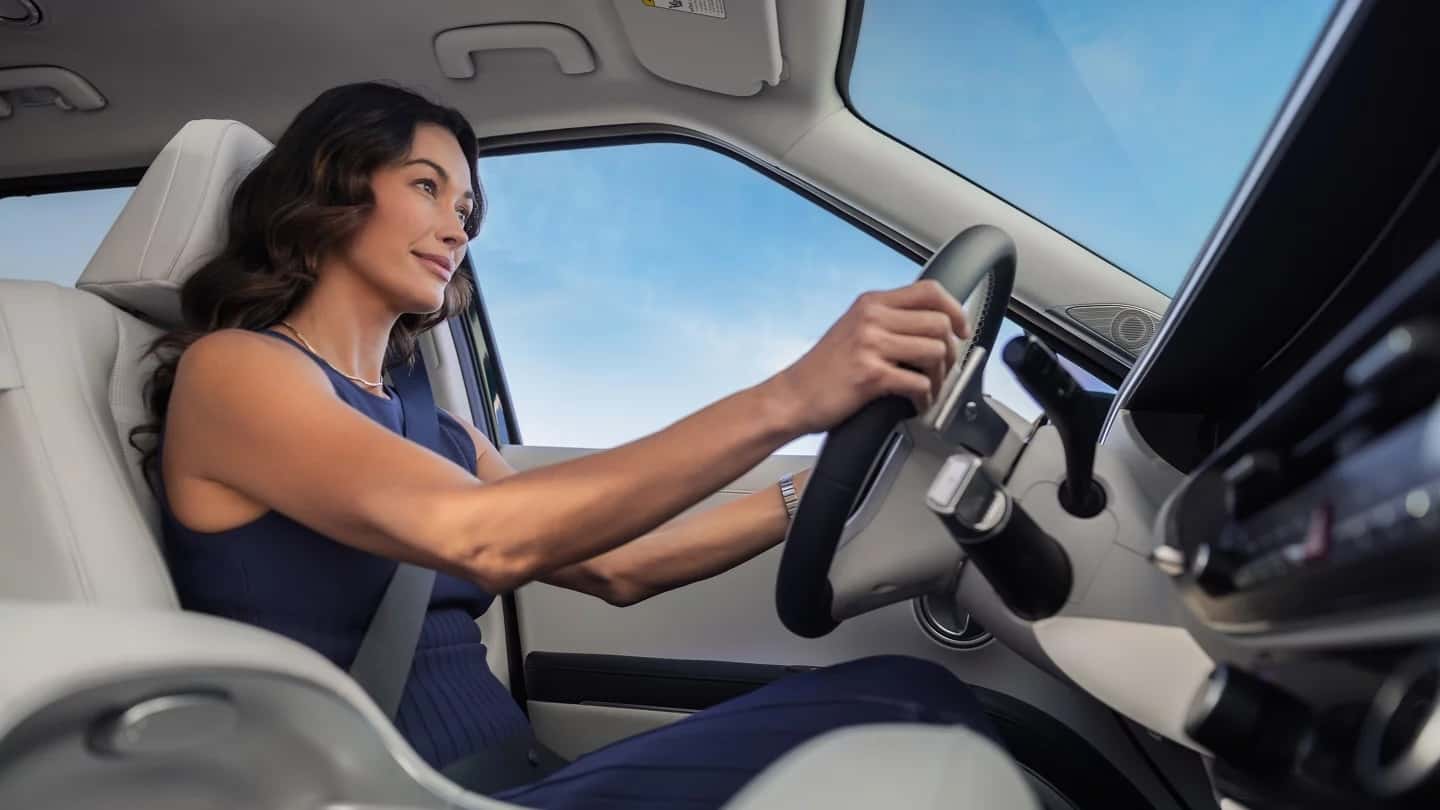
Photo Source/Copyright: HYUNDAI
Morning traffic rarely moves at a predictable pace. You settle in at 55 mph, someone taps their brakes to take an exit, and you find yourself constantly tapping the brake pedal to disengage standard cruise control. That stop-and-start fatigue is the exact headache Hyundai’s driver-assistance tech is built to handle. If you are shopping for a vehicle with smart cruise control at Vision Hyundai Webster, here is a practical look at how the feature handles real-world driving.
How It Handles Real Traffic
Traditional cruise control has one job: hold a set speedometer number until you force it to stop. Hyundai’s Smart Cruise Control (SCC) works differently by using a front-mounted radar sensor tucked into the front grille.
Instead of holding a rigid speed, it tracks the vehicle directly ahead of you:
- Automatic Pace Matching: Set your cruising speed to 60 mph, and if a box truck pulls out ahead moving at 48 mph, your vehicle smoothly decelerates to match that pace while preserving your preset gap.
- Stop & Go Functionality: On congested stretches or near traffic lights, the system can bring your car to a complete stop. If the lead car moves within a few seconds, your Hyundai resumes rolling on its own.
- Driver-Selected Following Distance: Using toggles on the right side of the steering wheel, you can pick between four gap intervals depending on whether you prefer a tight buffer or extra breathing room.
Which Vehicles Carry It?
You will find the technology across most new models on our Webster lot, including:
- Sedans like the Elantra and Sonata
- Crossovers and SUVs like the Tucson, Santa Fe, and Palisade
- The electric IONIQ 5 and IONIQ 6 lineups
Trims with Highway Driving Assist (HDA) pair the adaptive cruise function with lane-centering assistance, using GPS data to automatically slow down slightly for sharp highway curves.
Local Realities
One practical detail worth noting for local drivers: winter weather matters. Because the radar sensor sits behind the front bumper, slush, road salt, or freezing rain can occasionally coat the sensor. If that happens, the instrument cluster will chime and display a message indicating the radar is obstructed, temporarily disabling the feature until the bumper is wiped clear.
Quick Questions Answered
Can I still use traditional, fixed cruise control?
Yes. Holding down the following-distance button for a few seconds toggles the system from adaptive radar mode back to standard cruise control.
How do I cancel it in a hurry?
Just like any standard system, tapping the brake pedal immediately shuts it off and hands full throttle control back to your foot. You can also press the “Cancel” rocker switch on the wheel.
Testing out smart cruise control during a test drive is the quickest way to see if it suits your daily commute. Drop by Vision Hyundai Webster to test the system out in live traffic.
More From Vision Hyundai Webster
Small SUV Style Made For Everyday Driving
Photo Credit: Hyundai Standing Out in the Subcompact Class Subcompact crossovers can often feel a bit similar, but the 2023 Hyundai Kona bucks that trend with distinct styling and practical engineering. Available at Vision Hyundai in Webster, this crossover packages a solid selection of tech, agile handling, and sensible cargo space into a…
Find Your Best Hyundai Compact SUV Today
Photo Credit: Hyundai Finding the Right Hyundai Compact SUV Shopping for a small crossover usually comes down to three practical questions: how easy is it to park, how much gear can it carry, and how far will a tank of gas take you? If you are searching for a Hyundai compact SUV, the…
How To Choose The Best Hyundai Sedan
Photo Credit: Hyundai Finding the Right Hyundai Sedan Shopping for a traditional car in a market flooded with oversized crossovers isn’t always easy. But if you want sharp fuel economy, lower monthly payments, and easier parking, comparing the latest Hyundai sedan models side-by-side helps you figure out what actually fits your daily commute….